Between roughly 1811 and 1820, while the future George IV ruled as Prince Regent, the English upper classes lived by a calendar built around one goal: marriage. Understanding that calendar explains why Regency romances are so full of tension.
The London Season
Each year wealthy families moved to London for the months when Parliament sat, usually from late winter to early summer. Those months were packed with balls, dinners, concerts and rides in Hyde Park. For a young woman “out” in society, the Season was a short, public window to find a husband — and every evening was watched and discussed.
Dowries and settlements
Marriage was also a financial contract. A bride’s family provided a dowry, and lawyers drew up settlements describing what she would receive if her husband died. An heiress could rescue a struggling estate; a daughter without money depended on beauty, connections and luck. This is exactly the pressure behind a story like The Wrong Bride, where the wrong sister ends up at the altar.
Chaperones and the dance card
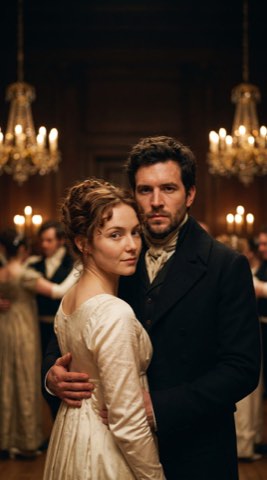
An unmarried woman was almost never alone with a man. A mother, aunt or companion accompanied her, and dances were where courtship happened in plain sight. Dancing with the same partner more than twice in an evening was enough to set tongues wagging about an engagement.
Reputation was everything
A single rumour — a walk in the garden without a chaperone, a letter in the wrong hands — could make a woman “ruined” and damage her sisters’ chances too. That fragility is why secrets carry such weight in period drama: a hidden letter is not just a plot device, it is a threat to a whole family.
Where the drama comes from
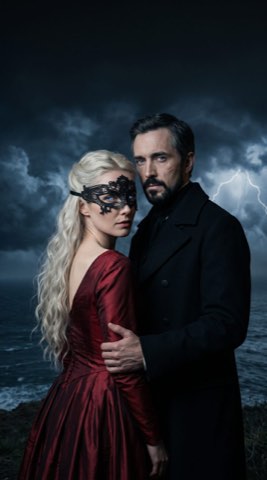
Put those rules together — limited time, money on the line, constant observation and reputations made of glass — and almost every encounter becomes high-stakes. That is the world our Regency and Victorian sagas play in. If you enjoy it, try The Masked Countess, a Victorian revenge story set around a masquerade ball.